
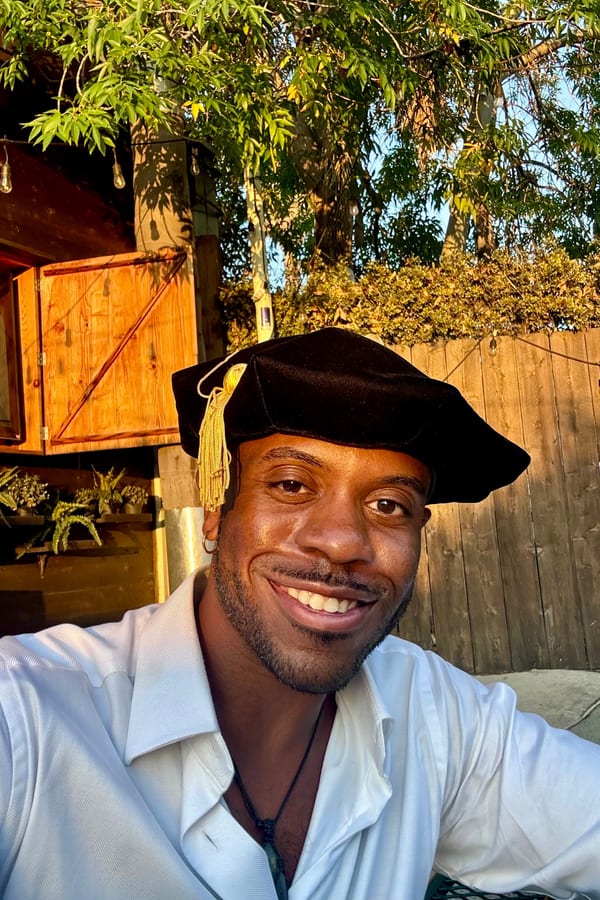
I'm Anthony Wilson.
Climate scientist. Atlanta native. Southern queer man trying to tell the truth about what's happening — without leaving people alone in it.
Atlanta
Where this started.
I grew up in Atlanta. I watched Hurricane Katrina from a distance — not close enough to lose anything, close enough to understand that the distance itself was a kind of privilege. That stayed with me.
I went to Central Michigan University, where I studied Geography with a concentration in GIS and Math, and got my first real training in meteorology. I worked with John Allen on tornado climatology as a McNair Scholar, and spent two years at NCAR through the SOARS program studying heatwave metrics across climate-model resolutions. That's where the atmosphere started making sense to me — not just as weather, but as a system with stakes.
I went on to Scripps Institution of Oceanography at UC San Diego, where I earned my M.S. in Earth Sciences and then my Ph.D. in Oceanography. I worked with Arthur Miller and Nicholas Lutsko on questions about Earth's warmest surface temperatures — the physical limits on how hot the planet can get, what sets those limits, and how to project them forward. I also worked with NOAA, the Electric Power Research Institute, and the Carbon Disclosure Project along the way.
At some point I realized I was spending most of my energy explaining what was happening and almost none of it helping people stay present with what that meant. I was good at the information. I was less good at the part that comes after — the part where someone looks at you and says, okay, now what do I do with that?
HopeCoreClimate is my attempt to get better at that part.
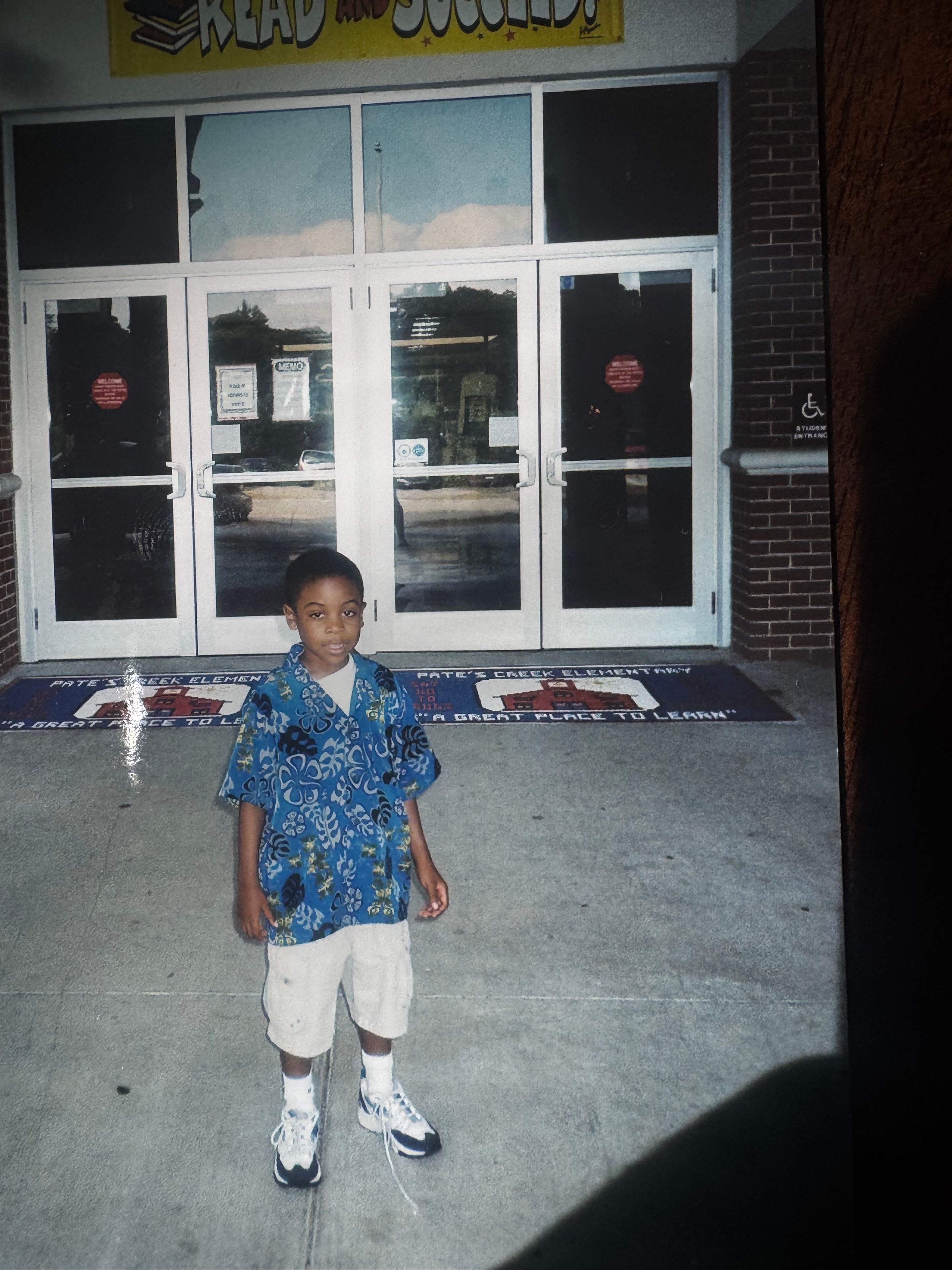
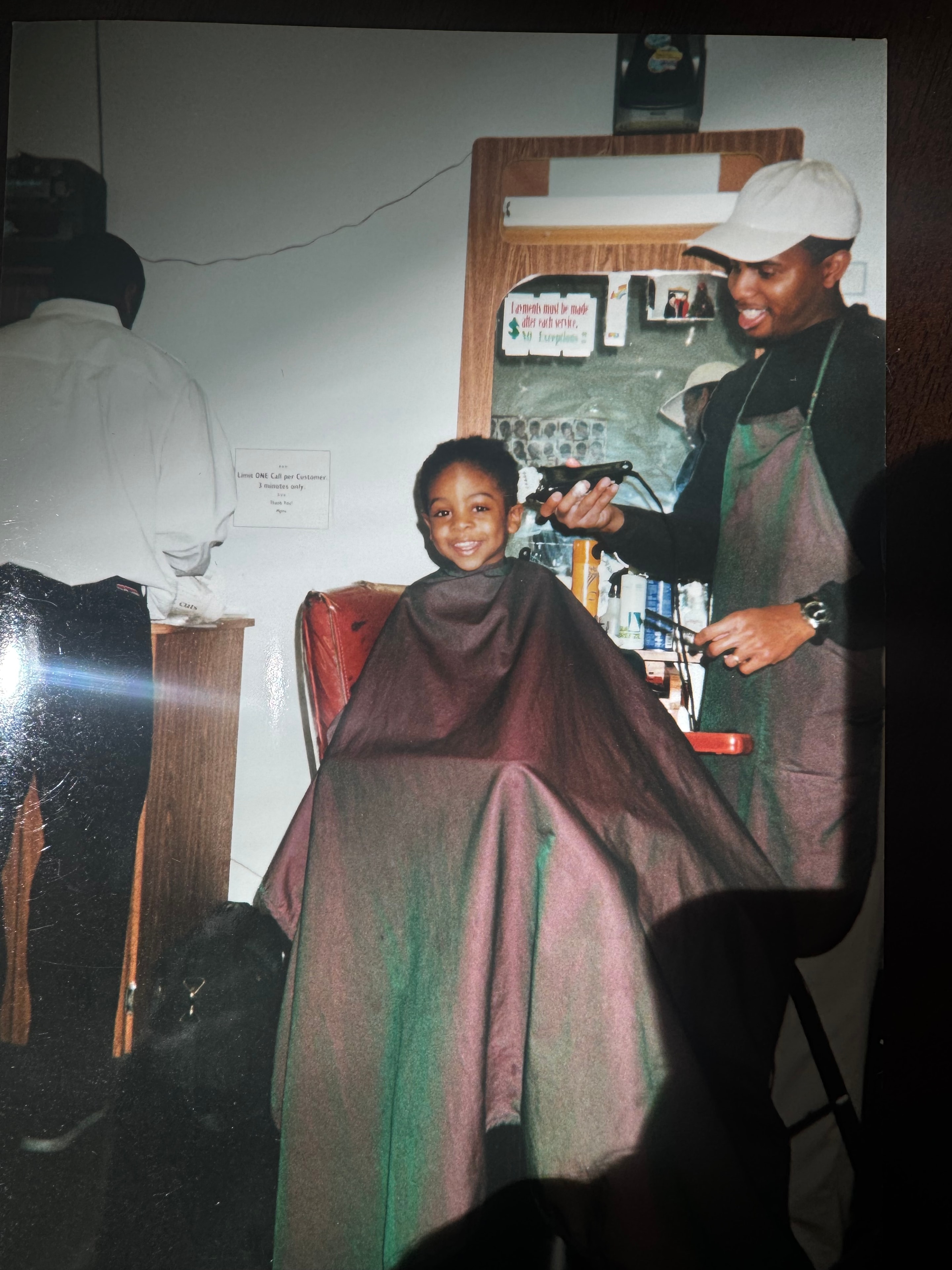
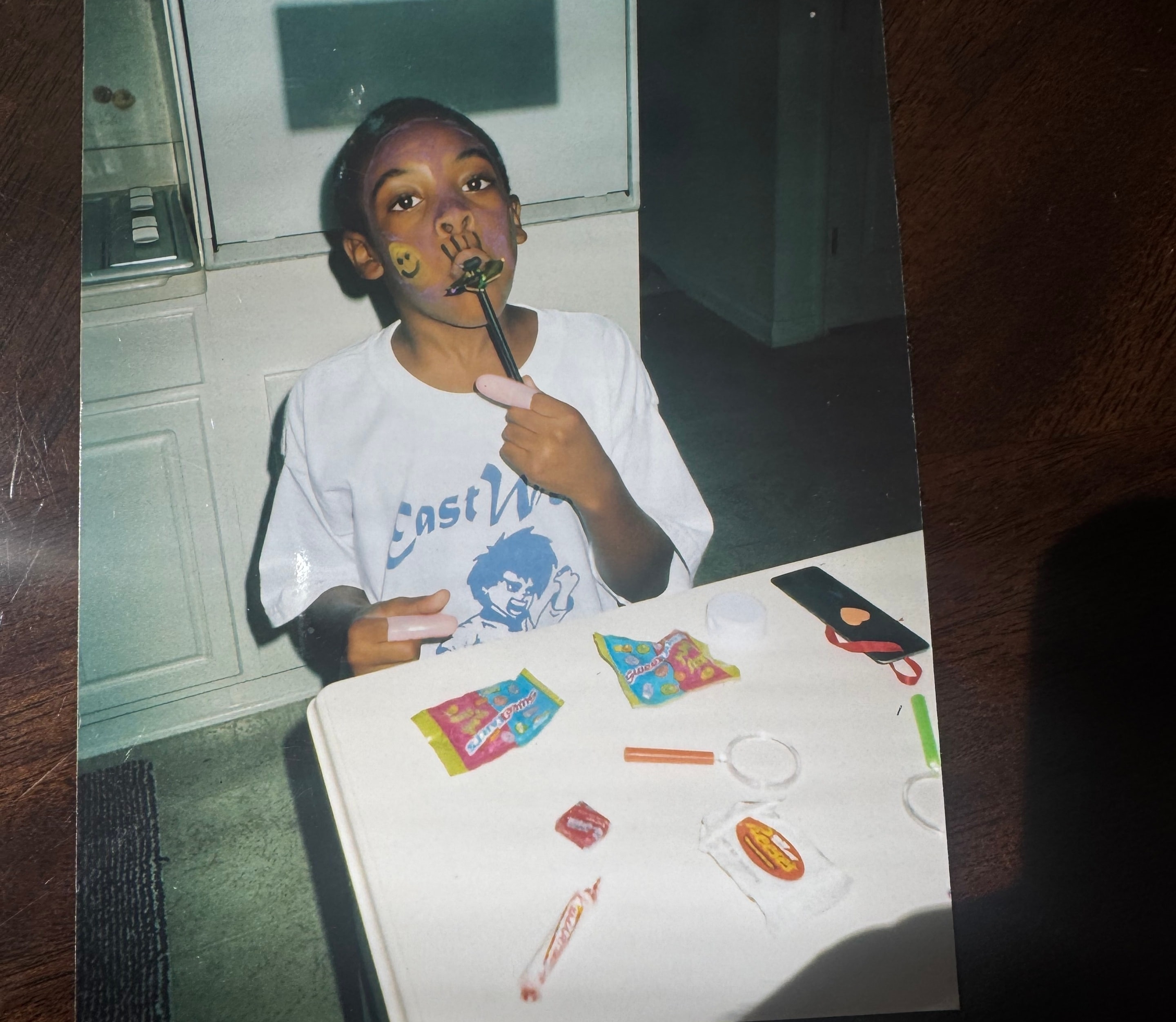
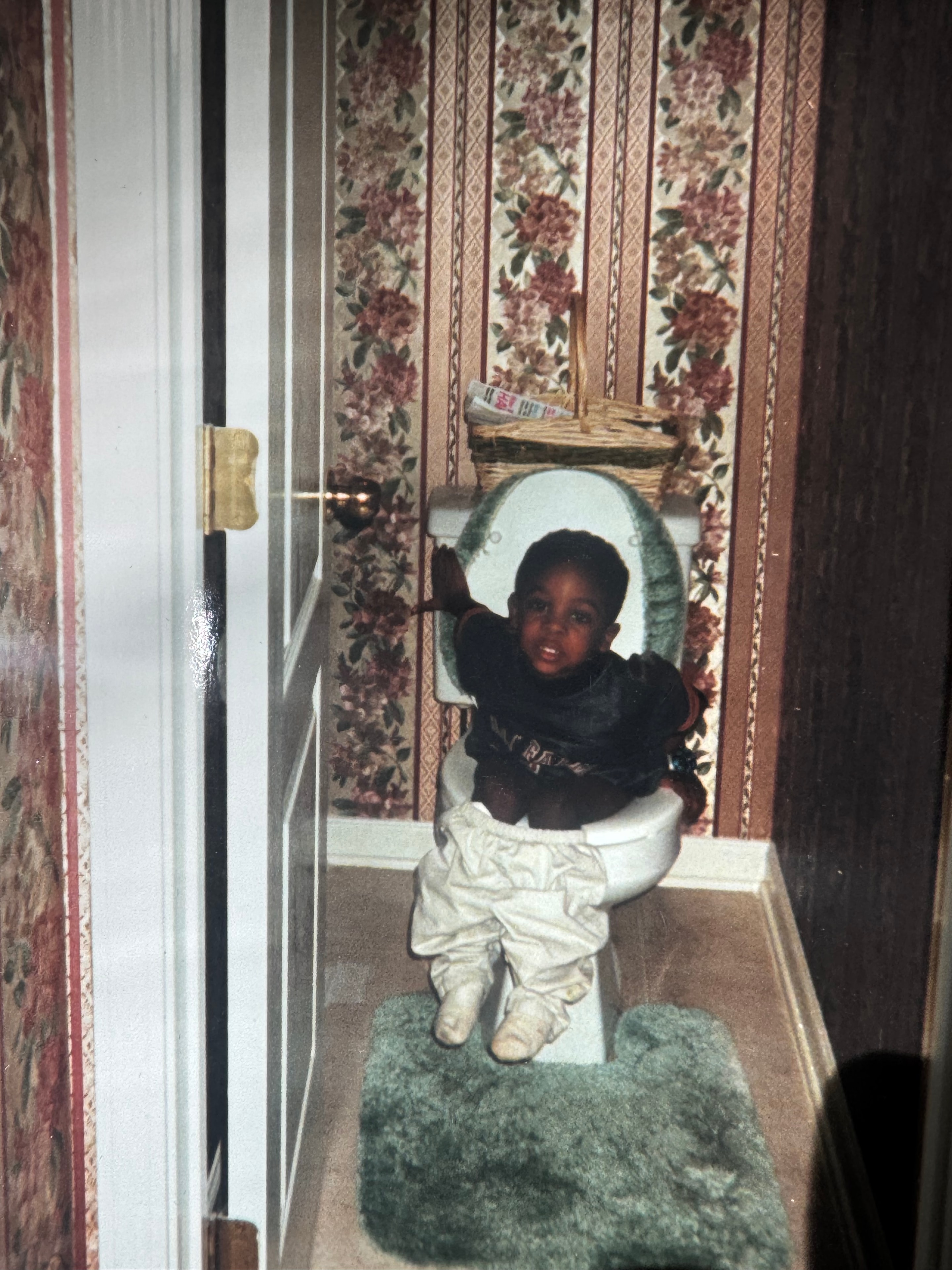
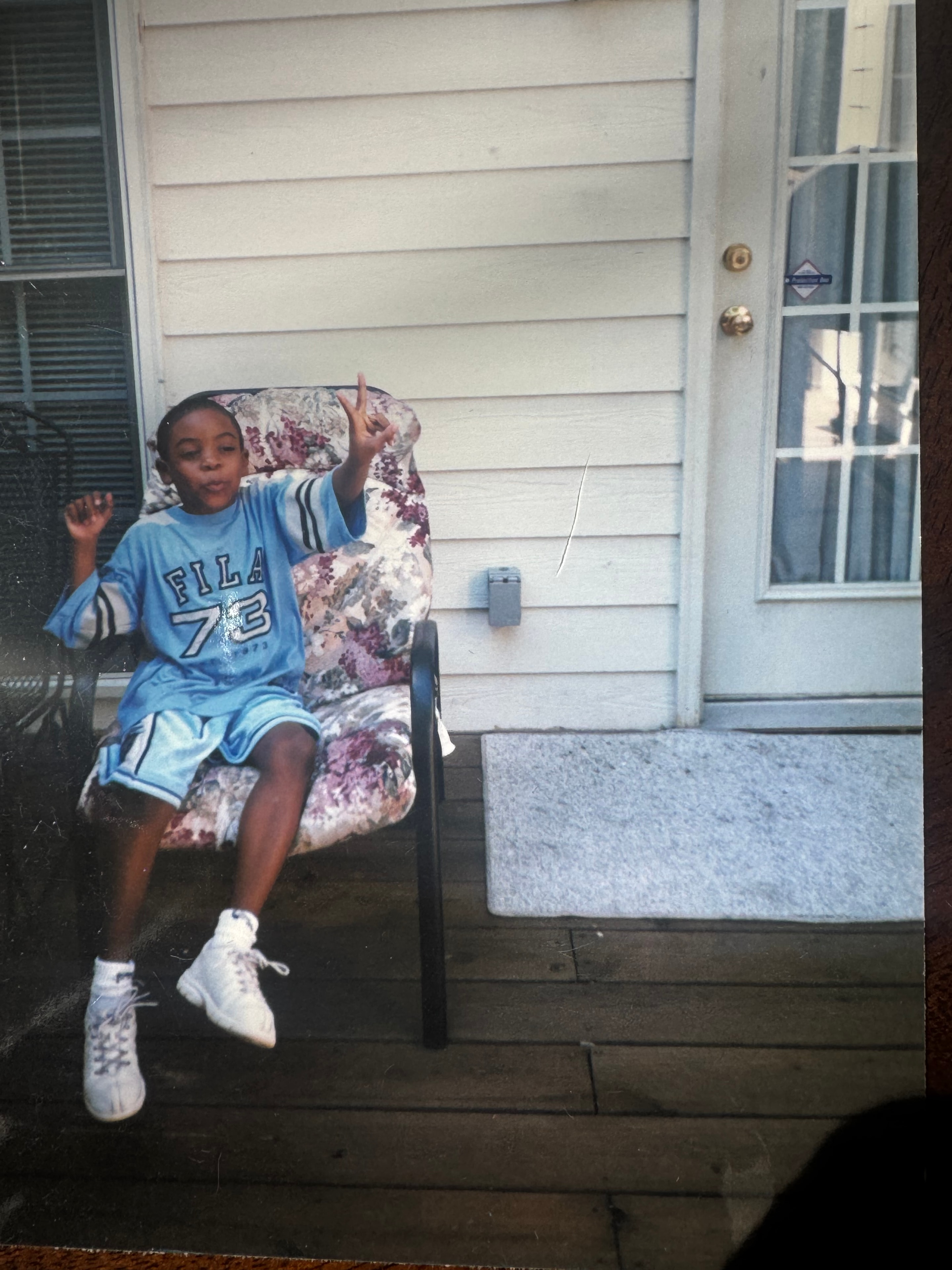
Atlanta, early years.
Scripps Institution of Oceanography
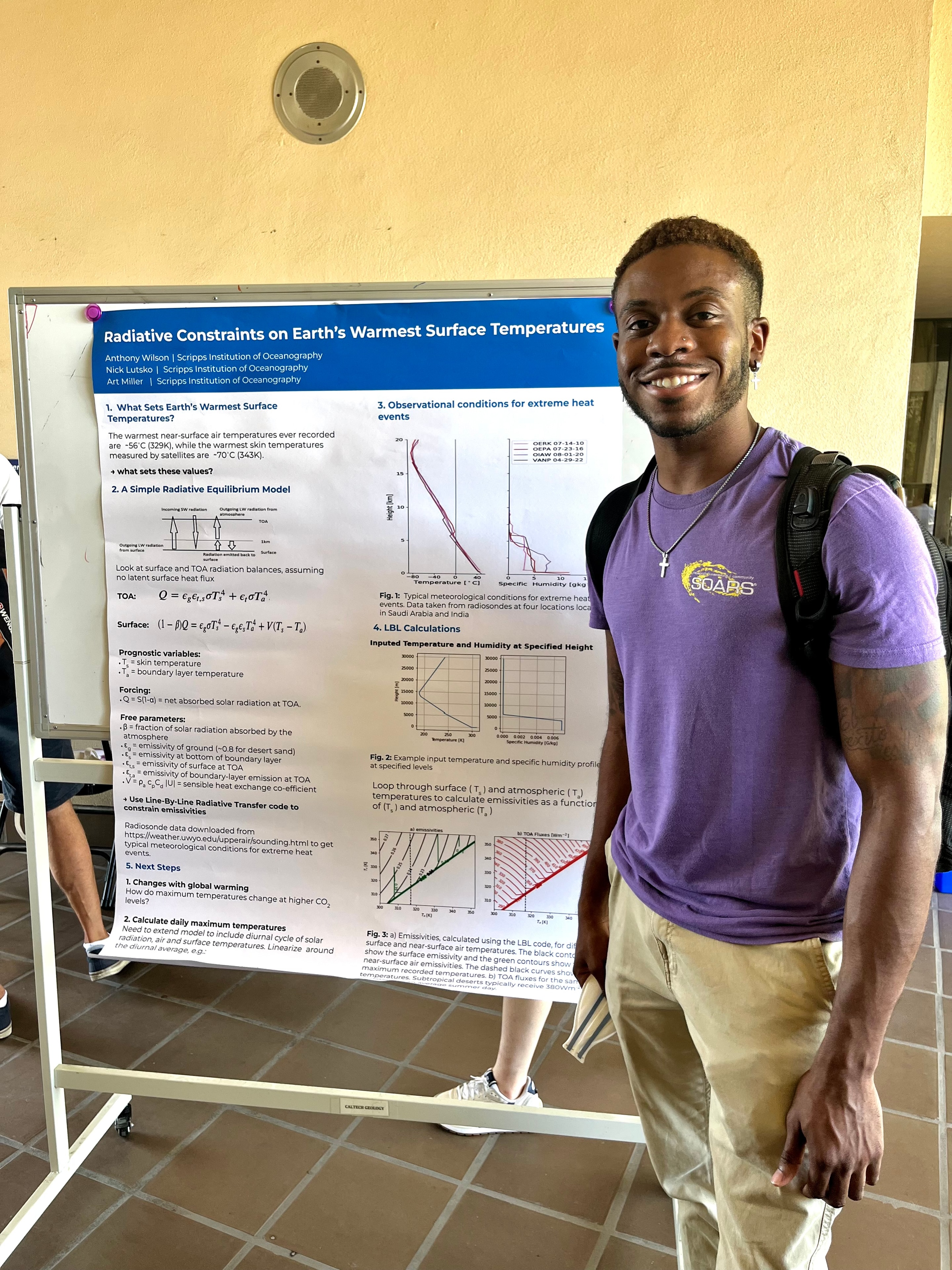
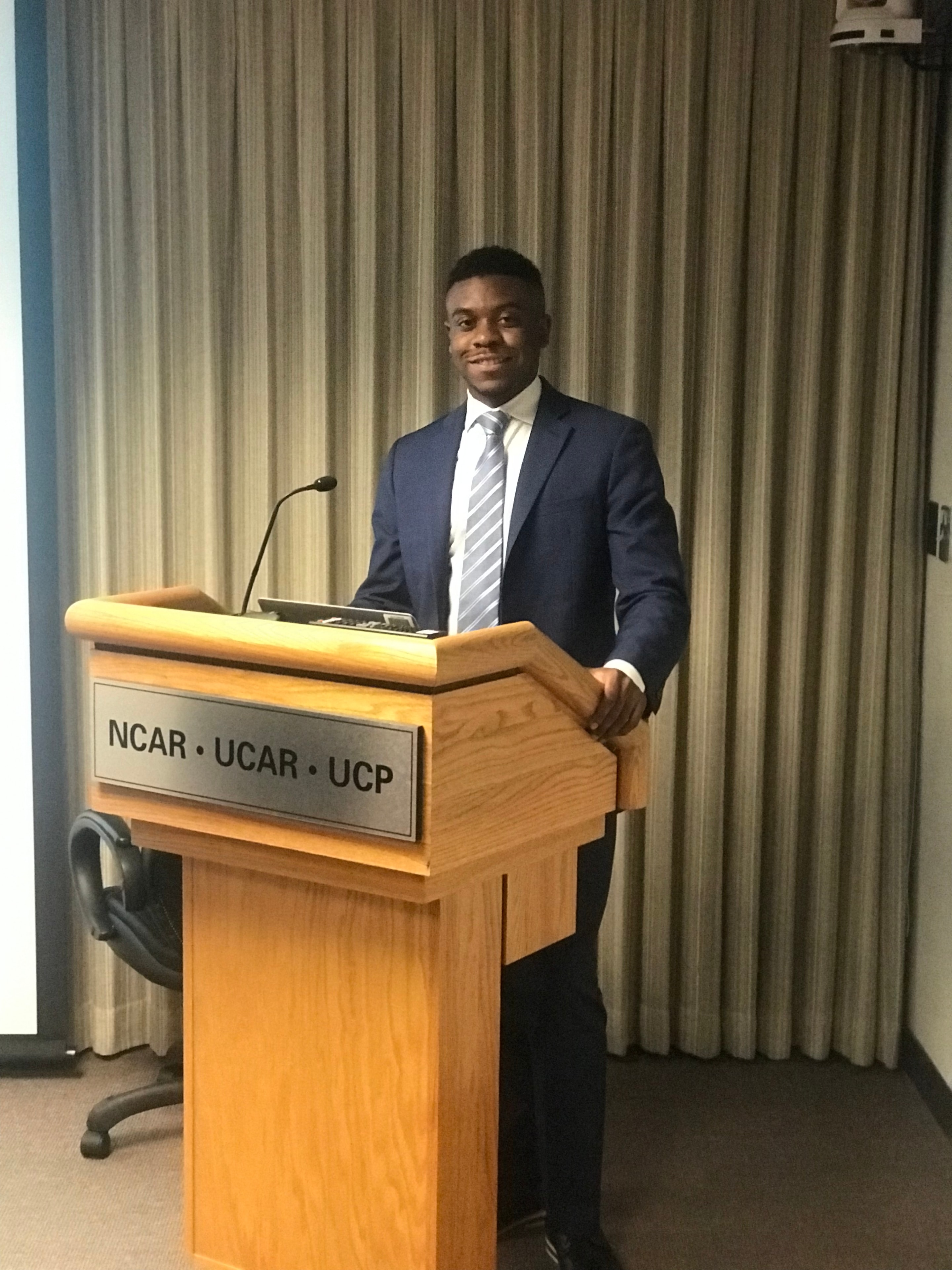
The research.
My doctoral work at Scripps focused on projections of Earth's hottest surface temperatures — understanding the physical limits on how hot the planet can get, and what sets those limits. I also studied El Niño and climate variability, and was part of a research cohort on marine heatwaves, including their effects on hurricane intensity and monsoon precipitation. I worked with Arthur Miller, Nicholas Lutsko, and Daniela Faggiani Dias. I've presented this work at the Gordon Research Conference on Radiation and Climate, the Eastern Pacific Ocean Conference (where I won Best Student Poster), the CCE All Scientists Meeting, and as a panelist at COP30's Ocean Pavilion in Belém.
Projections of Earth's Hottest Surface Temperatures in CMIP6
Anthony K. Wilson, Nicholas Lutsko, Daniela Faggiani Dias, Arthur J. Miller
The Next Generation of Marine Heatwaves Science: Takeaways from A Two Week Training Workshop
Fadlovich R., Carrasco D., Ferrer E.M., Graham O.J., Hampton S.A., Khrizman A., Kong C.E., Kreuser A.M., Pinter S., Sims L.D., Torres M.I., Una R., Wilson A., Zhang W., Zhu Y., & Greene C.H.
Full dissertation
Moving From Fear to Hope Through Projections, Radiative Constraints, and Diurnal Controls: Earth's Warmest Surface Temperatures
My doctoral dissertation at Scripps — the full body of work behind the published research.
Download dissertation PDFIf you're a scientist or journalist and want to discuss the research, reach out.
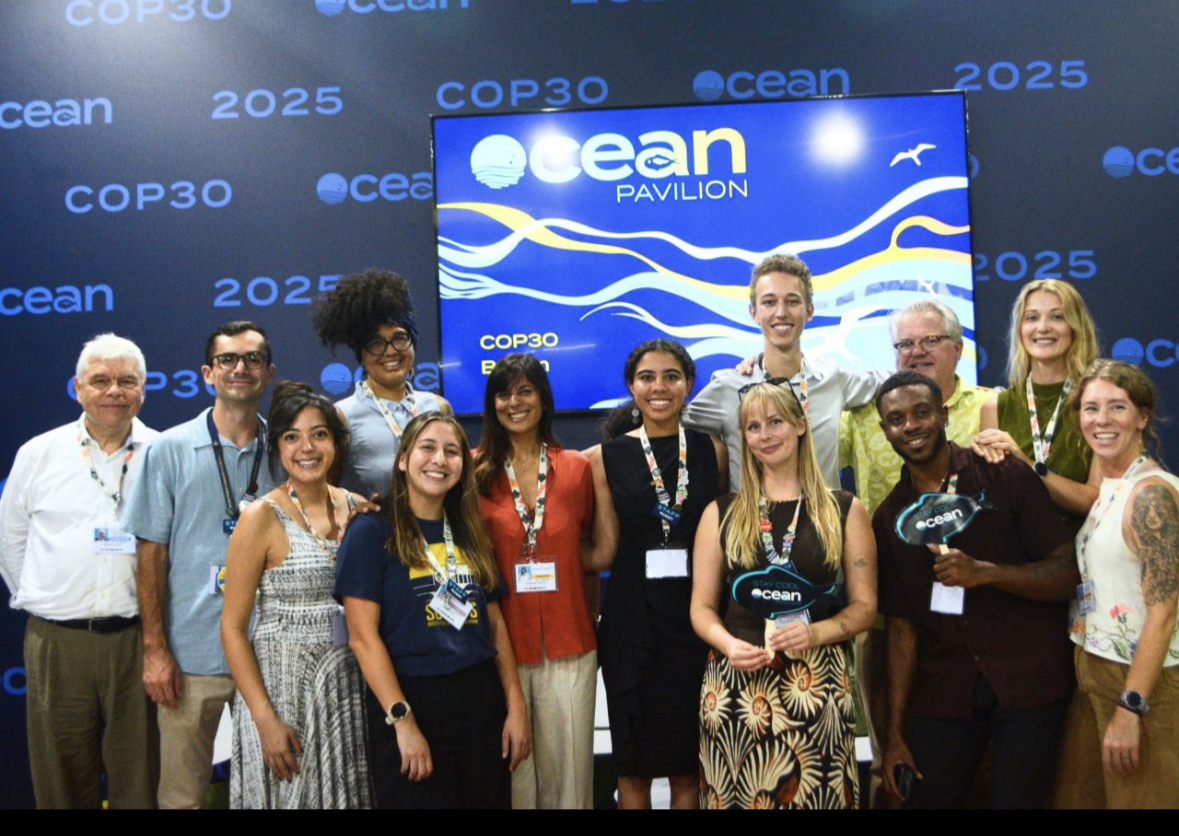
COP30 Ocean Pavilion, 2025
The science reaches the world stage. The work continues.
Why I do this the way I do it.
I've watched a lot of climate communication fail. Not because the science was wrong — the science is solid — but because the communication left people feeling worse and more helpless than before they started reading.
There's a particular kind of climate content that is technically accurate and emotionally devastating and offers nothing on the other side. I've written some of it. I don't think it helps.
I also don't think the answer is false hope or toxic positivity or telling people it's going to be fine when it isn't. The answer — the one I'm working toward — is something more like: here is what is true, here is how to stay present with it, here is what you can actually do. In that order.
I'm a southern queer man. I grew up in communities that knew something about holding grief and joy at the same time, about surviving things that weren't supposed to be survivable, about finding each other in the middle of it. That's not incidental to this work. That's the whole thing.